In our lab we want to understand how plants deal with environmental stress across different biological scales. We investigate the subcellular adaptations that link the growth and development of the plant to its long-term performance and survival under environmental stress.
A central objective of the research in the lab is to dissect the regulatory network that plants employ to maintain productivity and survive over extended periods of drought and salinity. Understanding this is critical for developing resilient agricultural systems in the face of climate change.
Research theme
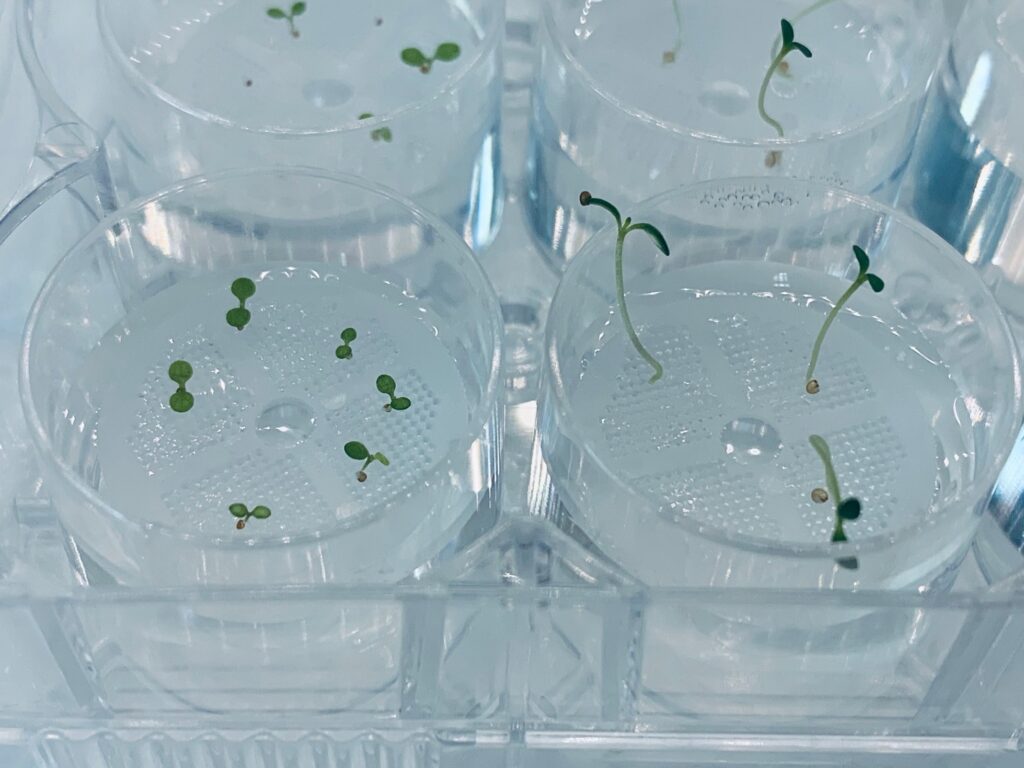
Plant cells dynamically control ion homeostasis, water-balance, and stress-responsive functions. To understand the fine-tuning mechanisms, we integrate comparative approaches across multiple model plant species that we have now established in the lab – Arabidopsis (salt-sensitive species) and two halophytes (naturally salt-tolerant species). These species are well-known in the plant community for developmental studies to uncover mechanisms. In our lab, we want to leverage the diversity of these model plants to deal with stress to gain high-resolution, quantitative insights into how stress responses are coordinated across biological scales.
Connect function with location across biological scales
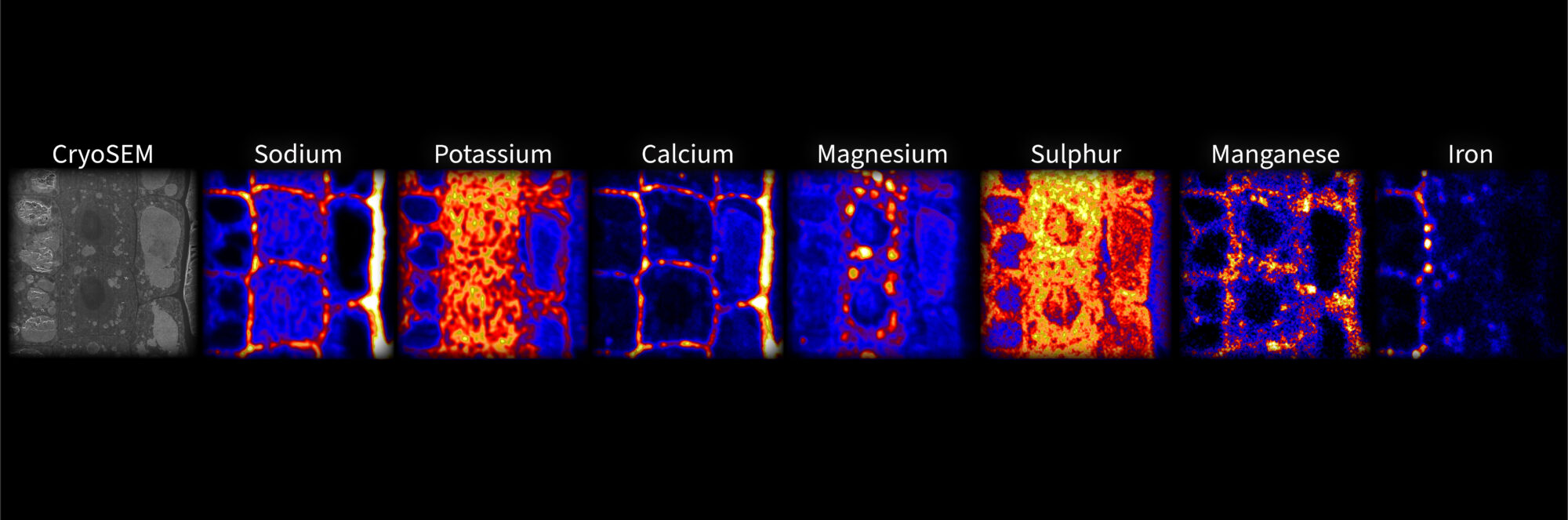
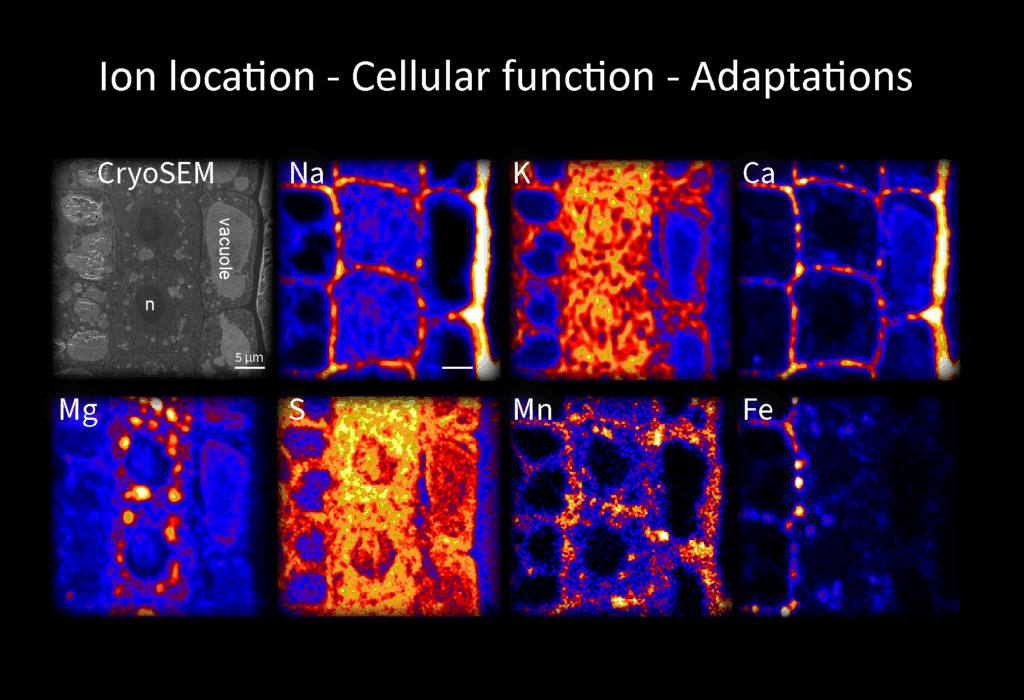
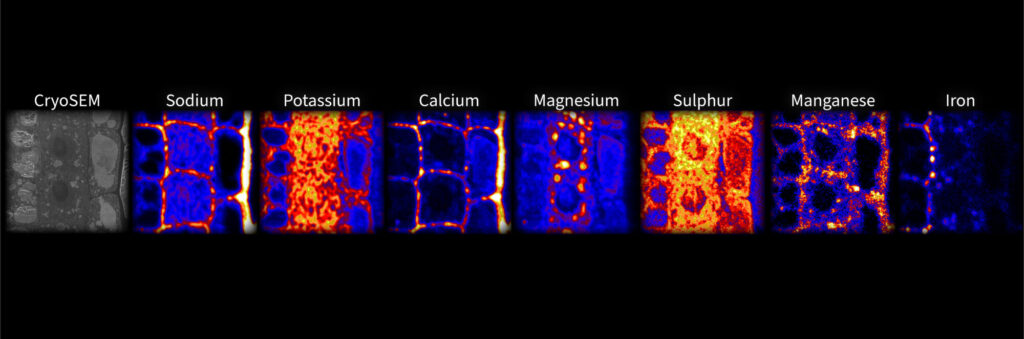
Ions, their location and impact on cellular functions.
Cellular salt detoxification mechanisms.
Lessons from halophytes on salt tolerance.
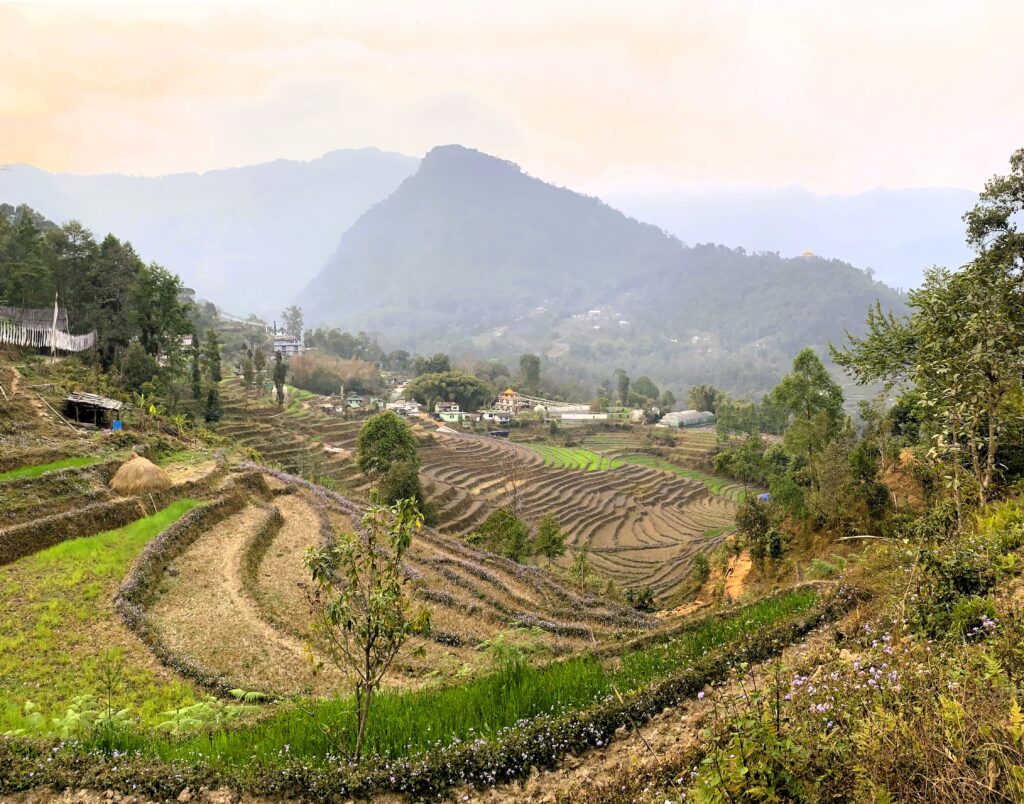
Crops such as rice (Oryza sativa), is particularly sensitive to soil salinity, making soil–plant interactions a critical determinant of its growth and productivity. At the soil level, factors such as ion composition, soil structure, and water availability influence the extent of stress experienced by roots. Rice roots are suggested to adapt through mechanisms including selective ion exclusion, compartmentalization of salts in vacuoles, and maintenance of cellular ion balance. We will extend our study to rice to study if the responses are governed by the same mechanisms as we observe in model plant species we use in the lab.
Keywords
Salinity stress
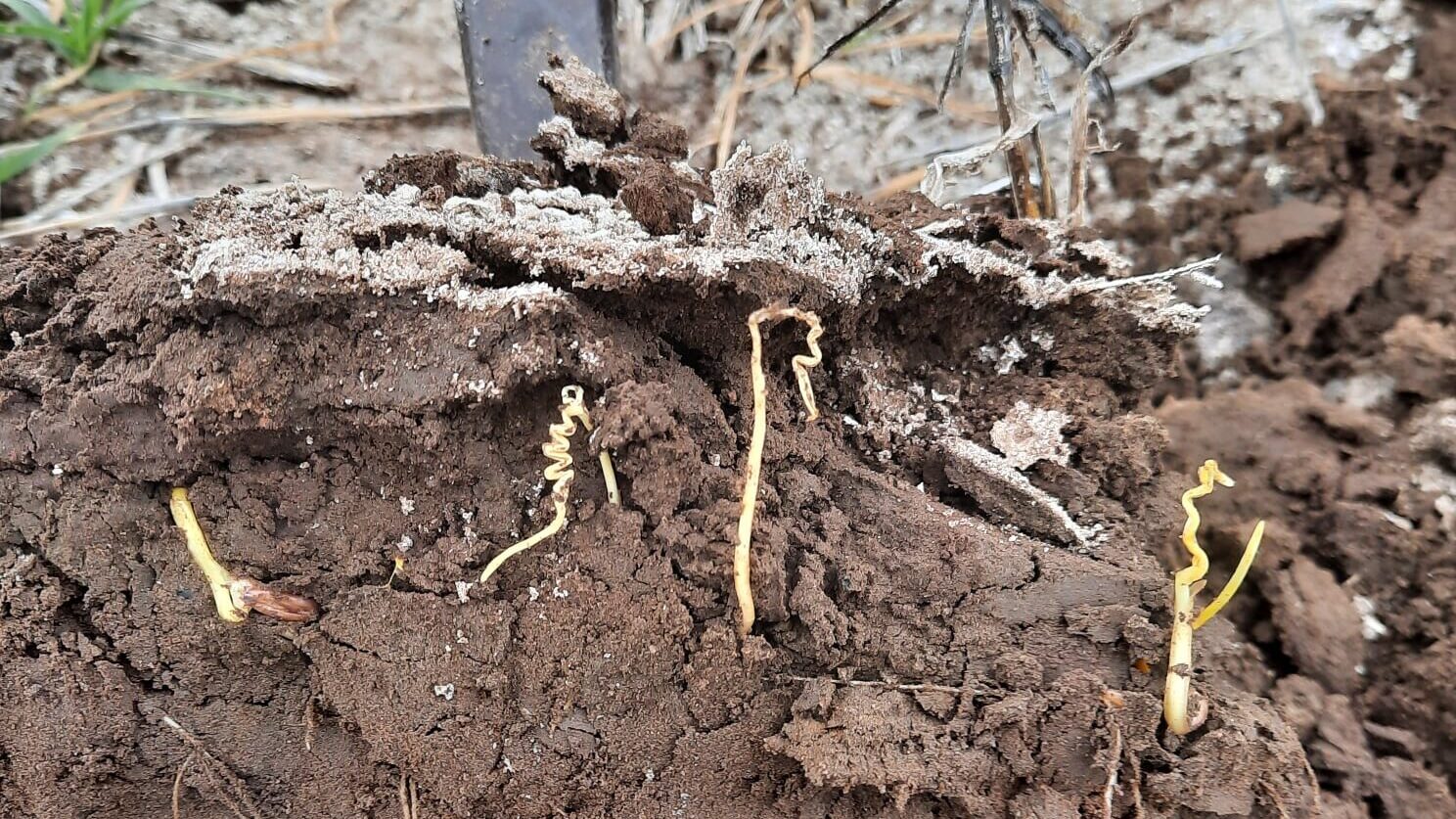
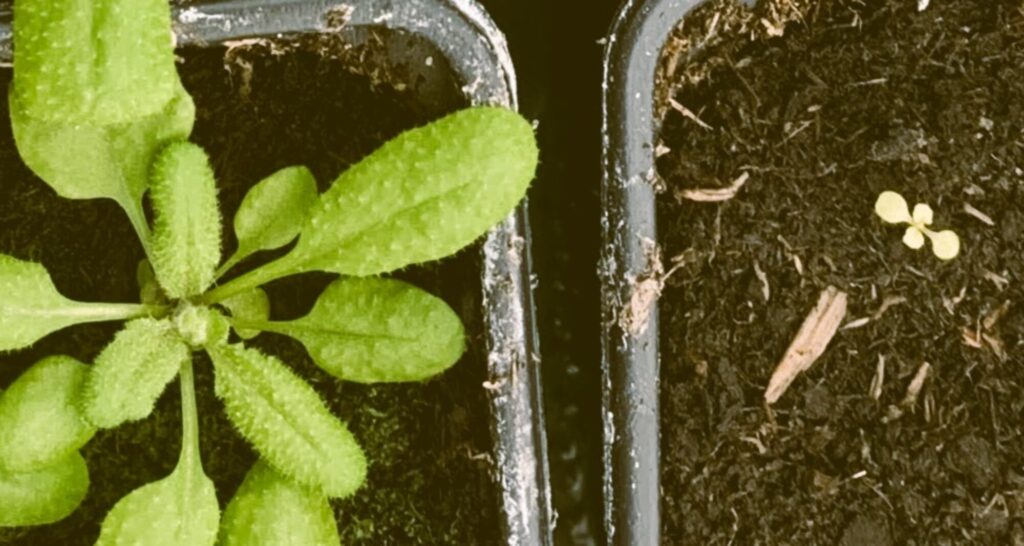
Sodium is an unusual nutrient for life. It is an essential element for animals, while most plants avoid it at all costs. Saline soil is an important agronomic problem. While we do not fully understand why plants avoid salt (sodium, Na+), we know that saline soil has physiological impacts on the plants. Saline soils hinder soil water uptake due to reduced water potential in the plant and Na+ disturbs cellular ion homeostasis and leads to inhibition of several cellular metabolic processes. It is widely acknowledged that salinity (primarily sodium) stress is a critical factor that limits plant growth and crop productivity worldwide. However, there are serious gaps in our understanding of how sodium toxicity plays out within plants and what are the fine-tuning mechanisms to tolerate sodium. This is particularly important in the root meristems, which determines the plant growth rates and are the first point of contact to the stress in the soil.
Root meristem – the biological hub in the hidden-half of the plant
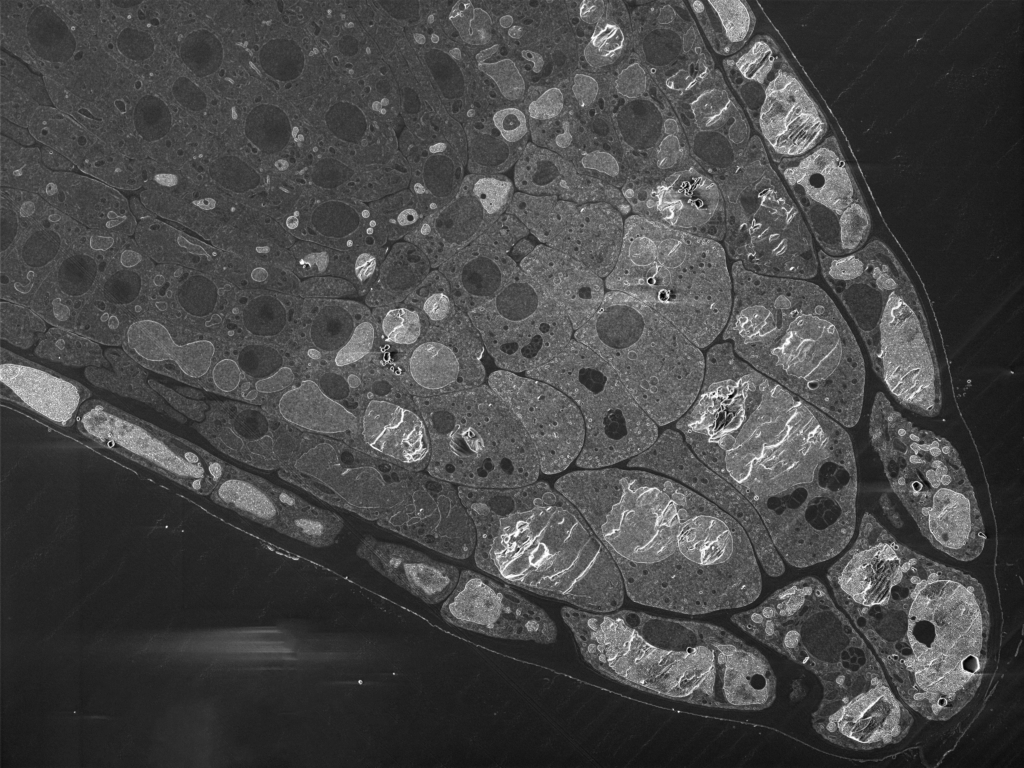
CryoSEM image of Arabidopsis root tip
Unlike animals, plants have the ability to post-embryonically develop new organs in response to developmental and environmental cues. Hidden from view, the plant roots grow and spread beneath the soil to extract water and nutrients, influenced by various environmental signals. Every root tip has a hub of stem cells composed of the Root Apical Meristem (RAM) that retain the ability to divide, expand and differentiate. They determine the trajectory of root growth, its architecture and its final size. They root tips acts like an antenna in the soil to help plants sense their environment and drive responses. They are also the first point of contact with the stress in the soil. It is therefore critical to understand the impact of the environmental stress on roots and the fine-tuning mechanisms they use to protect themselves against environmental stressors.
Techniques used
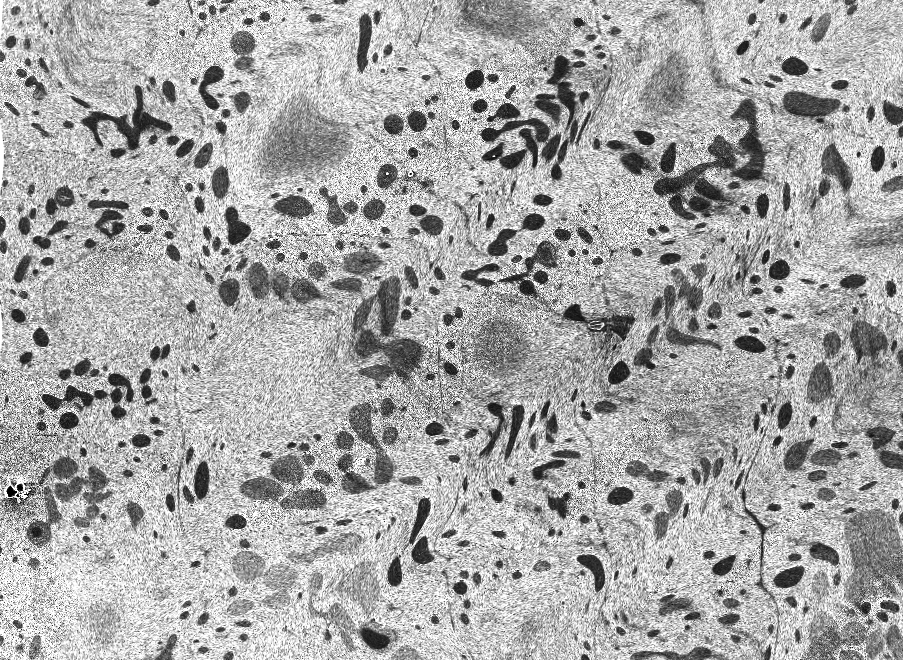
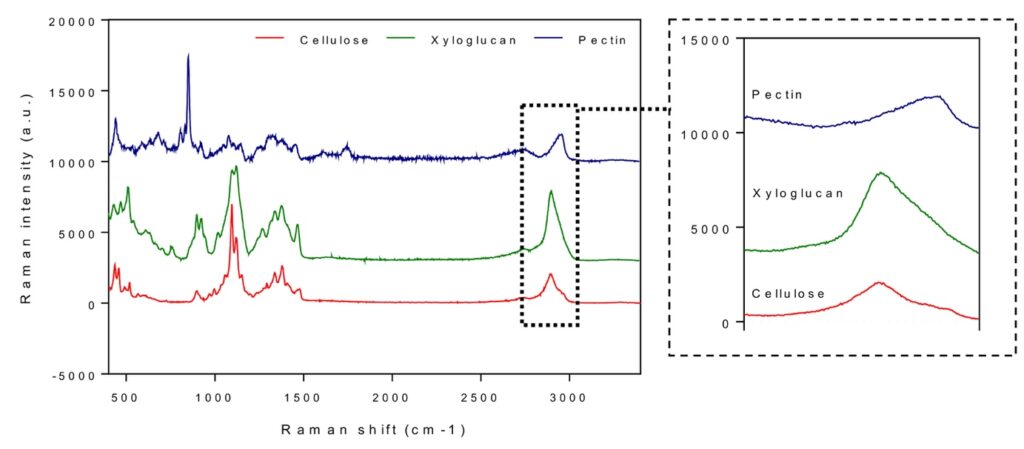
Confocal Raman microscopy
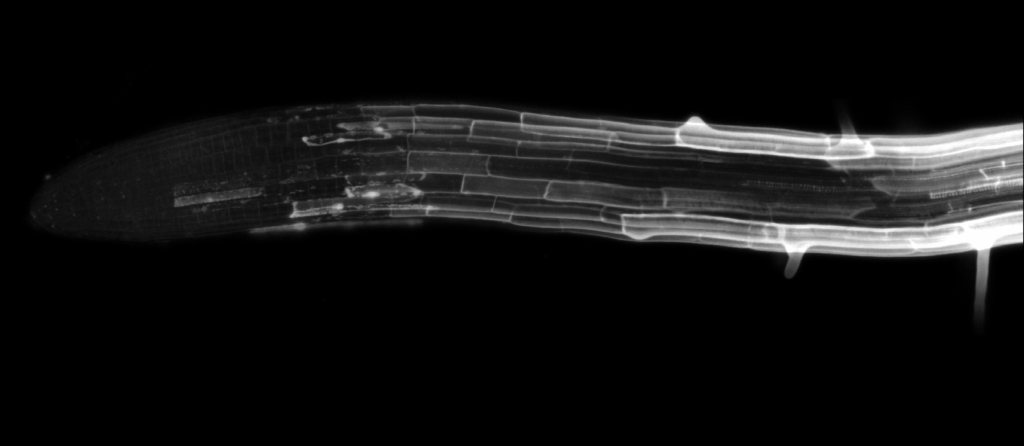
The laboratory couples ion profiling, subcellular cryo-elemental imaging with genetics, biochemistry and physiology in both genetic model species (Arabidopsis thaliana and rice) and “wild” plants such as halophytes that are naturally adapted to thrive in high-salinity environments. With this we want to gain insights into stress tolerance strategies and the fine-tuning mechanisms employed by plants to adapt to environmental stresses.