In our lab we want to understand how plants deal with environmental stress across different biological scales. We investigate the subcellular adaptations that link the growth and development of the plant to its long-term performance and survival under environmental stress. Understanding this is critical for developing resilient agricultural systems in the face of climate change.
Salinity stress
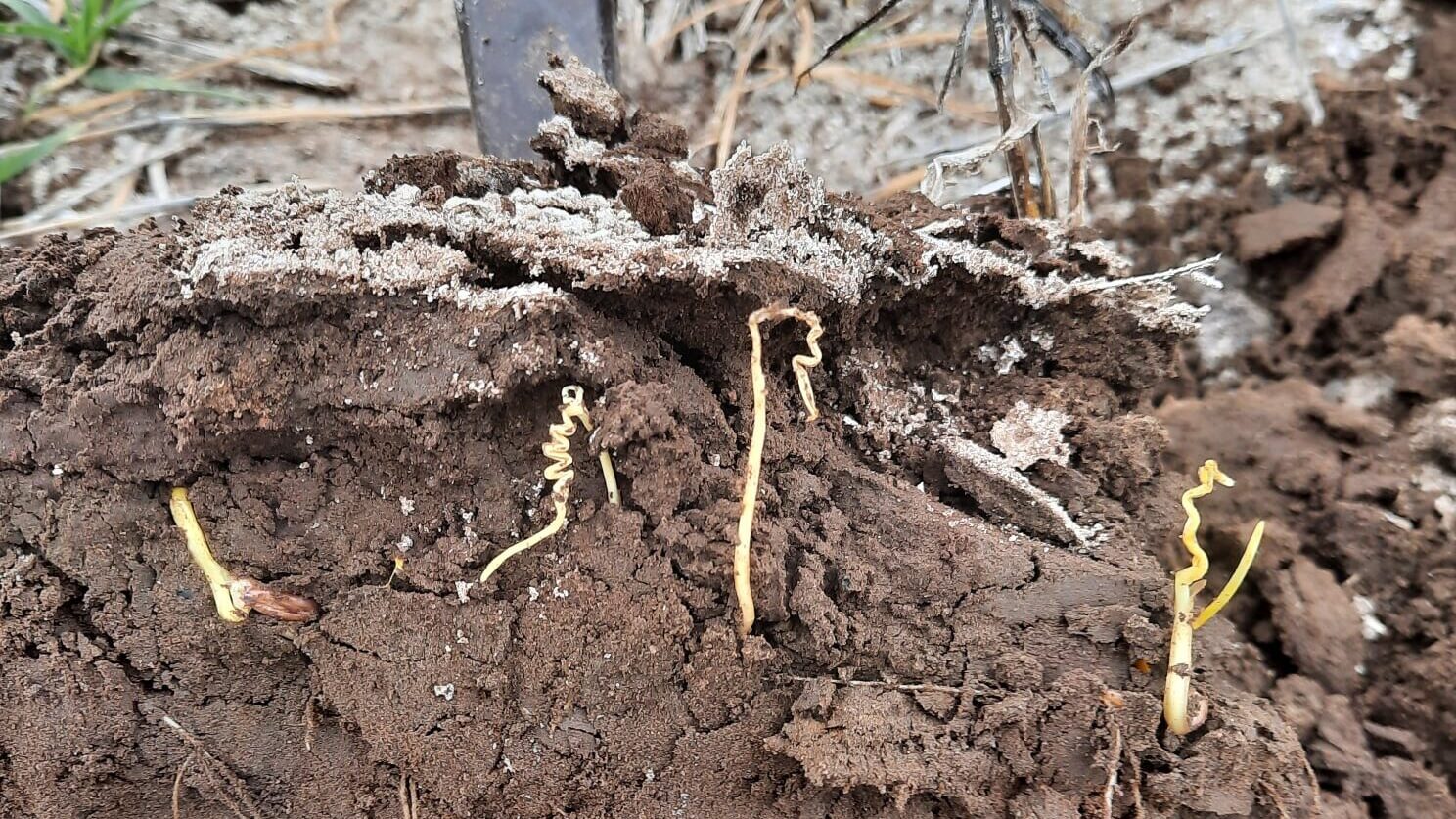
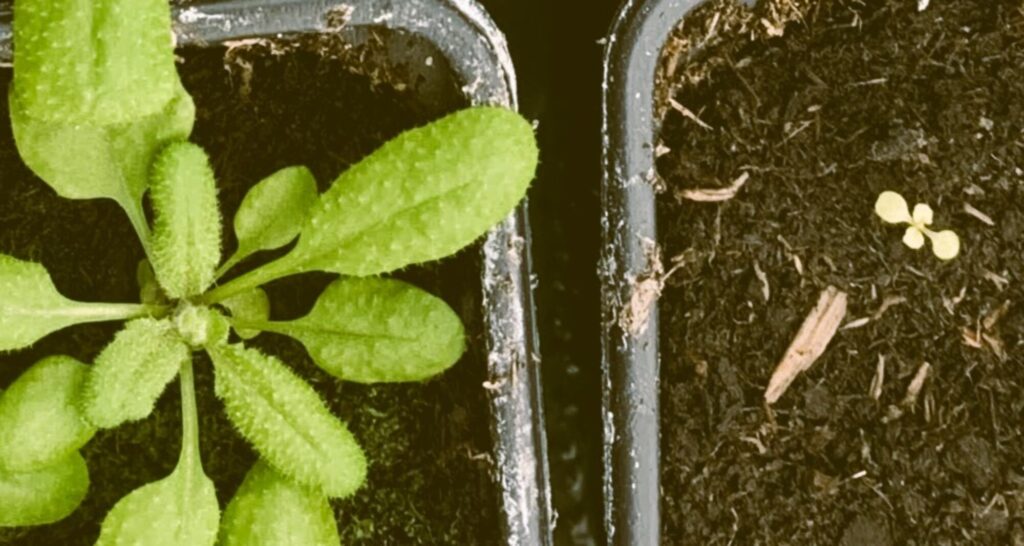
Saline soils are an important agronomic problem and has physiological impacts on the growth and development of plants. Saline soils hinder soil water uptake due to reduced water potential in the plant and Na+ disturbs cellular ion homeostasis and leads to inhibition of several cellular metabolic processes. While we do not fully understand why plants avoid salt (sodium, Na+), we know that saline soil has physiological impacts on the plants. It is widely acknowledged that salinity (primarily sodium) stress is a critical factor that limits plant growth and crop productivity worldwide. However, there are serious gaps in our understanding of how sodium toxicity plays out within plants and what are the fine-tuning mechanisms to tolerate sodium.
Research themes
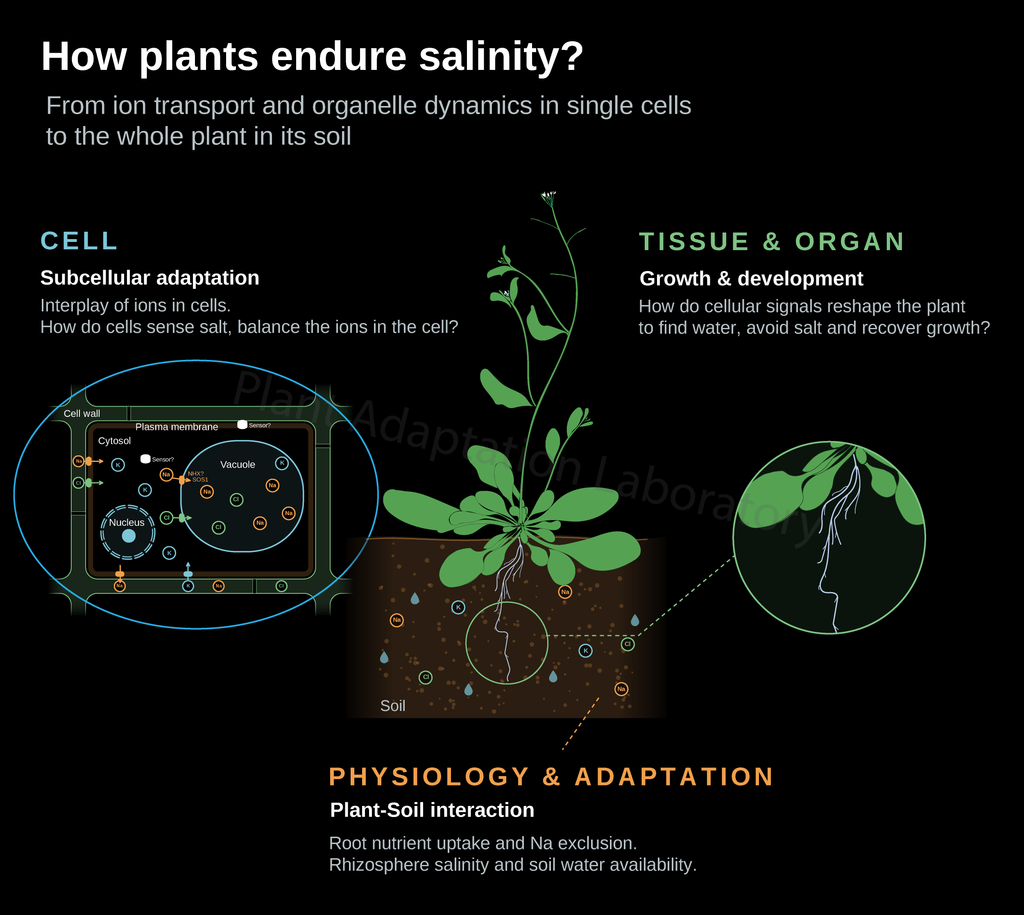
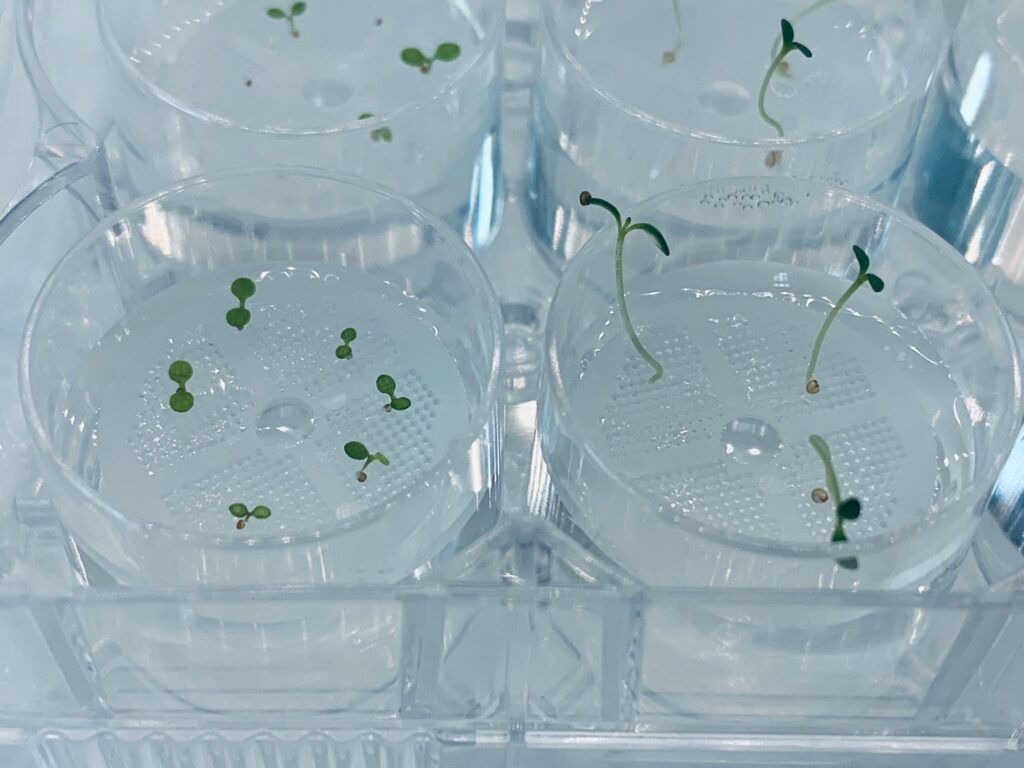
Plant cells dynamically control ion homeostasis, water-balance, and stress responses. To understand the fine-tuning mechanisms, we integrate comparative approaches across model plant species Arabidopsis thaliana (salt-sensitive species) and halophytes (naturally salt-tolerant species). We want to leverage the diversity of stress-response strategies employed by these model plants to understand how stress responses are coordinated across biological scales.
Root meristem – a hub located in the hidden-half of the plant
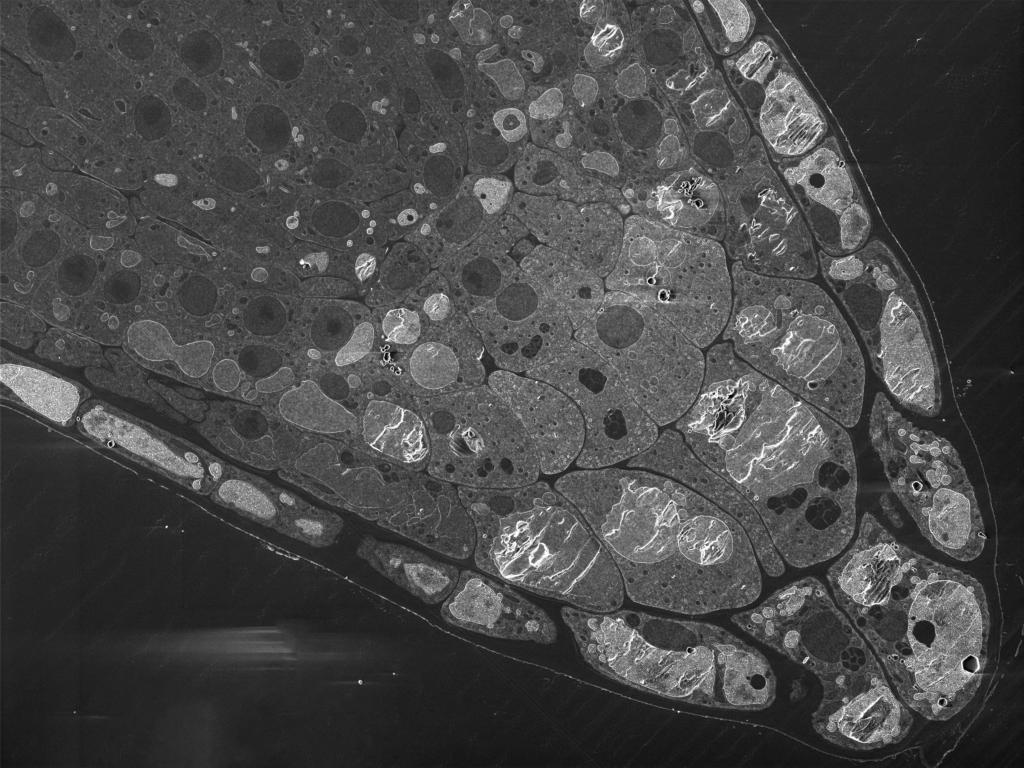
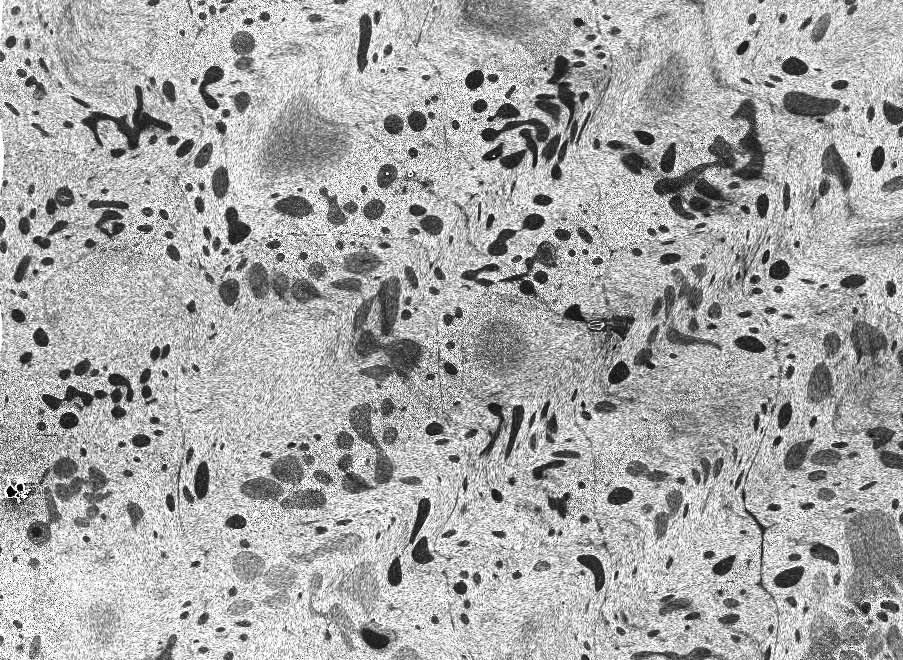
CryoSEM image of Arabidopsis root tip
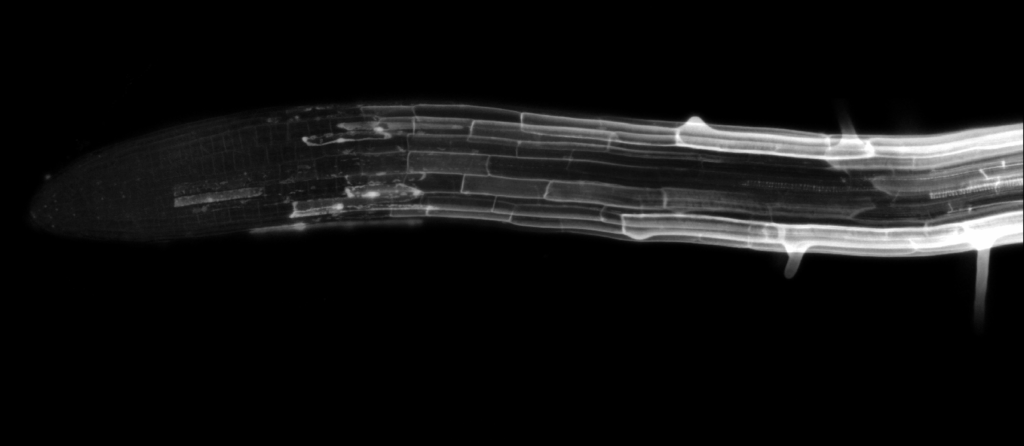
One of the model organ we are interested to explore in depth are the root meristems. Unlike animals, plants can post-embryonically develop new organs in response to developmental and environmental cues. Often hidden from view, plant roots are influenced by various environmental signals in the soil to extract water and nutrients. Every root has a stem cell hub called the Root Apical Meristem (RAM) that retains the ability to divide, expand and differentiate. The RAM determines the trajectory of root growth, its size and final architecture. Root tips acts like an antenna in the soil and help plants sense their environment and drive responses. We are interested to understand the impact of environmental stress on roots and the fine-tuning mechanisms they employ to protect themselves.
Approaches
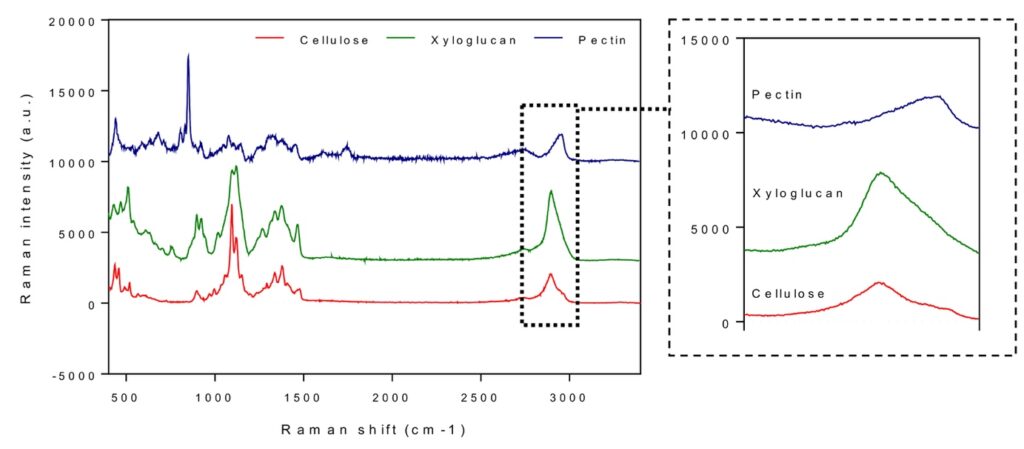
Confocal Raman microscopy
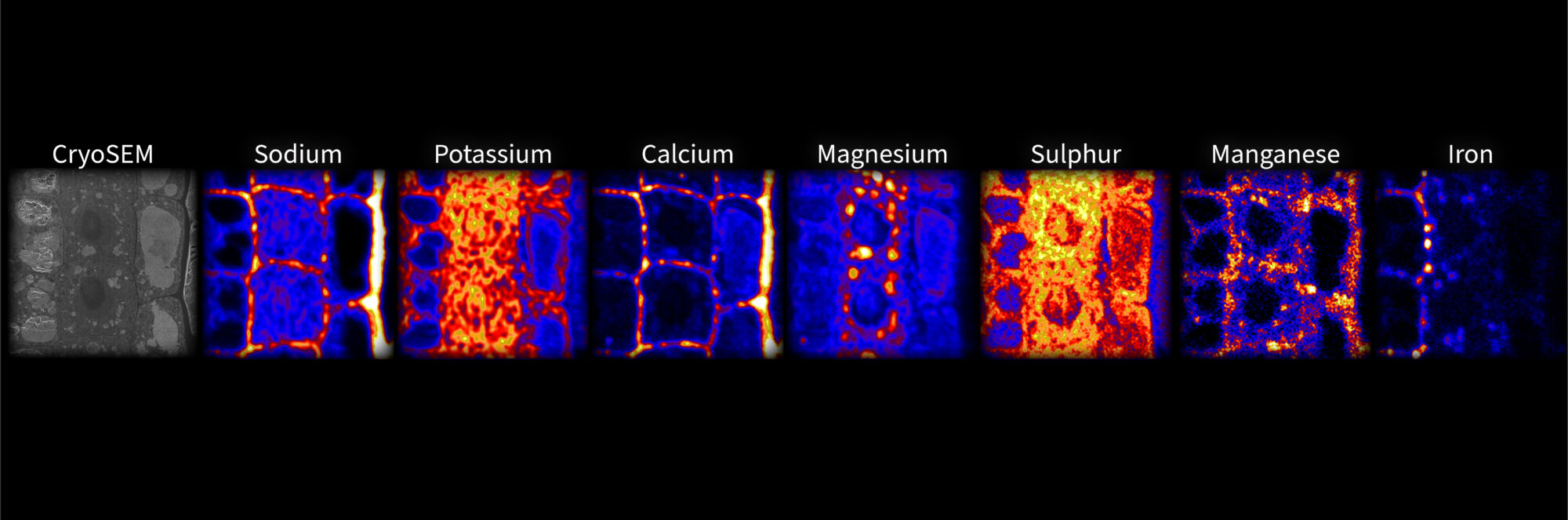
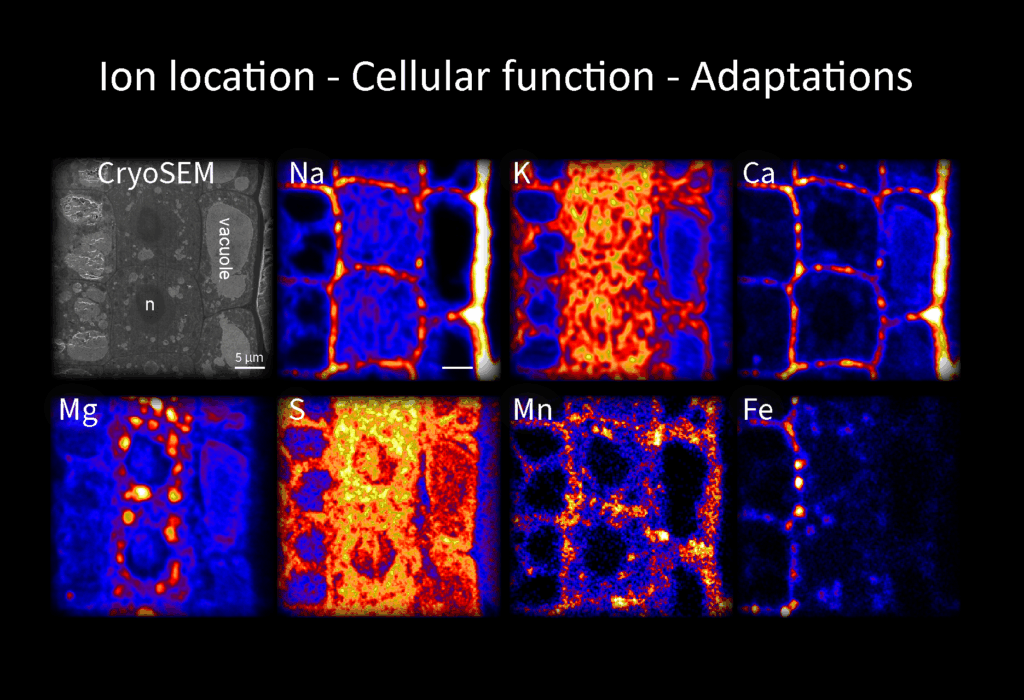
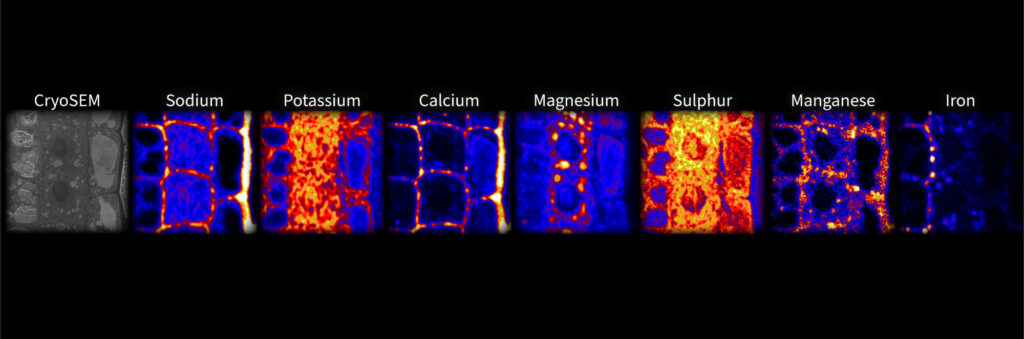
We couple genetics, physiology and high-resolution imaging on model species Arabidopsis thaliana, rice and halophytes. Common technologies include ion profiling, subcellular cryo-elemental imaging, electrophysiology together with spatial biology methods.